Protection improves when hardware, installation, and habits align. In Central Florida, a measured approach to door hardware often makes the difference between a scare and a loss. In practice, trusted local locksmith help ensure the gear fits your doors, meets code, and actually works under stress. Below, I lay out what matters when choosing high-security deadbolts and smart access, how to avoid common mistakes, and when to call a pro for same day or after hours work.
Understanding real resistance, not marketing claims.
Not all locks that look tough actually buy you time against a practiced intruder. For business locksmith Orlando calls, I start with pick and bump protection, test torque on the bolt, and inspect frame reinforcement before I even talk about keys. If those three areas do not work together, the lock fails fast in forced-entry tests.
Certification helps, but it is not a guarantee. If you see Locksmith Orlando | Locksmith Unit locksmith Grade 2 on a busy storefront, I advise owners to step up to Grade 1 for the primary latch and deadbolt, especially on the main entrance. A Grade 1 deadbolt in a hollow, split jamb is not an upgrade, it is a liability.
Key control is where many “high-security” claims actually pay off. With restricted blanks and registered authorization, rekey locksmith Orlando services can maintain an auditable chain for staff or tenants. When keys stop multiplying, you reduce the need to change locks during every transition.
Clear signs your current lock set is not enough.
If there is a police blotter entry for your street in the last month, I bump deadbolt priority up the list. Owners sometimes wait until a vacation is scheduled, but it is wiser to upgrade a week or two before busy travel periods when burglars work daylight hours. That is the quiet victory you never hear about because nothing happens.
Functionally, a lock that sticks is a security risk, not just an annoyance. Once I correct the strike placement and fit a longer throw bolt, that same door can take a shoulder hit that would have opened it before. Fix the small friction now, and you avoid the emergency door unlock at 2 a.m.
Turnover without rekeying is a slow leak in your security plan. On private homes, I keep it simple, one code per person on a smart keypad and a restricted mechanical key stored for backup. Tie the upgrade to a routine and the value compounds over time.
Choosing between mechanical deadbolts and smart access.
Hardware fundamentals beat software when someone has a crowbar. When budget is tight, I prefer to allocate two thirds to physical components and one third to access control features. A tight door, a true frame, and long screws into the stud deliver real resistance.
Used well, they reduce key sprawl and add visibility. In small offices, smart access control lets managers revoke credentials instantly after staffing changes, which beats running keys across town. If you choose smart, commit to maintenance and a clear battery schedule.
For a high-traffic storefront, I often specify a mechanical Grade 1 deadbolt paired with a heavy-duty lever set and a protected cylinder, leaving smart features to the alarm panel or camera system. For clients who travel, I recommend a smart lock that supports offline access logs and a physical keyway, plus a monitored alarm that can trigger a light schedule. Whatever you pick, match the gear to your tolerance for upkeep and your daily habits.
Installation details that separate solid from shaky.
I have replaced plenty of premium deadbolts that never had a chance because the prep work was sloppy. If the door is steel or fiberglass, I adjust the hardware kit so it does not crush the skin or spin in the bore. This is the difference you feel when the key turns smooth and the bolt lands with a confident stop.
Composite doors often need specialized sleeves for stable mounting. On aging frames with hairline splits, I add a latch guard or a continuous strike that spreads loads across more wood. If your door fails to close smoothly, fix that before you upgrade the cylinder.
You cannot violate life-safety to gain a little extra resistance. On commercial egress doors, I ensure hardware remains free-egress while adding protection on the exterior side, often with protected cylinders and reinforced strikes. That is crafted, not guessed.
Patterns I keep seeing in Central Florida properties.
Owners were surprised that a five dollar fix matched the effect of a pricier deadbolt. The remaining homes relied on manual locking, and at least two reported doors left unlocked after school runs more than once a week. This echoes what I see across apartments, condos, and single-family houses.
Commercial sites show a different pattern. Cameras caught behavior but did not stop the attempt, the physical reinforcement did. Chatter and slam defeat good hardware faster than thieves do.
Most after hours locksmith lockouts are human error layered over minor mechanical issues. I advise clients to keep a sealed spare with a trusted neighbor or use a secure lockbox with changeable code. Two ways in beats one pretty app screen.
Get the order right, get the results you want.
Each step stands alone, yet together they lock in the gains.
- Start by removing friction, because friction breeds failure. Second, reinforce the strike and hinges with long screws into framing and add a continuous strike or latch guard where appropriate. Step three is mechanical strength and key discipline, which reduce both forced entry and casual key sprawl. Step four is optional tech that supports habits, not replaces them.
Following this order avoids the common mistake of buying premium cylinders for a door that barely closes. A local locksmith who understands Orlando humidity, building stock, and code will tune these steps to your property’s quirks. Security is a marathon of small adjustments, not a sprint of gadgets.
Maintenance rhythms that prevent 2 a.m. surprises.
A little discipline goes further than most upgrades. For smart systems, schedule a monthly code audit to remove stale codes and rotate contractor access. When people know changes are routine, they do not push back, and administration stays light.
You can predict most “low battery” failures weeks in advance with simple habits. If the lock supports a 9V emergency jump, test that contact gently so you know where it is under stress. These small rituals avoid late-night calls for emergency door unlock and keep you in control of your schedule.
Keys themselves can be the culprit when they are bent or worn. If a key sticks, try a fresh copy cut from code or an original, not a copy of a copy, which multiplies errors. Most failures give warning clicks and drags long before the night you get stuck outside.
Working with certified technicians for reliable outcomes.
Good techs see the failure path before it happens and design around it. When you reach out for a locksmith consultation, be ready with door photos, frame shots, and a quick description of use patterns, because that short prep lets the tech propose accurate options fast. Ask whether they stock Grade 1 deadbolts, reinforced strikes, and restricted keyway cylinders on the truck, not just common residential parts.
A short, clear scope protects both sides. If someone will not give at least a range on best locksmith companies the phone for standard tasks like broken key extraction or lock rekey service, be cautious. Ask about the warranty terms before work begins.
Insist on a full cycle check. If an alarm or camera integrates, I test basic events and confirm the owner understands battery schedules. Good service leaves you confident, not confused.
Smart features worth having, and ones to skip.
Everything else is optional sugar. Time-limited codes and per-user codes give control without drama. More signals rarely equal more safety.
Reliability beats a cool demo. Battery life claims vary wildly with door alignment and usage, so assume real life is half the brochure and plan replacements accordingly. Security thrives on calm routines, not constant alerts.
Preparing for lockouts without living in fear.
Lockouts happen when small issues stack, then a deadline adds pressure. For clients, I recommend a small steel lockbox mounted out of view, with the code rotated quarterly and recorded in a secure place. A flashlight by the entry prevents fumbling that damages hardware.
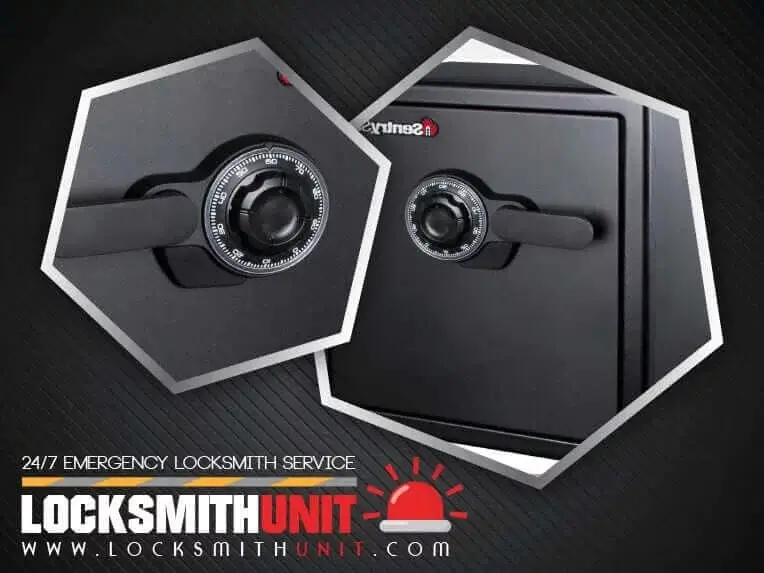
People are relieved to learn they do not need a full replacement. For safes, a safe and vault locksmith requires more time and often an appointment, so plan ahead if locksmithunit.com locksmith you rely on a safe for daily operations. Add the number of a 24/7 locksmith Orlando provider to your phone now.
What Orlando owners actually spend for strong results.
You can plan ranges and avoid surprises. For a straightforward deadbolt replacement with a Grade 1 unit and reinforced strike, expect a parts and labor range that reflects quality, not just brand flair, and increases after hours. Same day locksmith work during normal hours sits in the middle.
Time is money even at home. Invest once in alignment and anchoring, and the system becomes one less thing to worry about. Value lives in reliability, not just in a receipt line.
Local realities: Orlando weather, construction, and code.
Heat and humidity warp doors and swell frames, which means tight tolerances in spring become jams in summer. Stainless fasteners and protected screws extend life, especially near coastal air. Local experience prevents repeat service calls.
You cannot copy-paste solutions. Older bungalows may have charming but fragile trim that hides weak jambs, so I prioritize concealed reinforcement. A local locksmith who has worked every style knows the shortcuts and the pitfalls.
Turn ideas into a safer, calmer entry.
You can upgrade the rest later with less friction. Day 2, reinforce strikes and hinges with longer screws and, if needed, a continuous strike or latch guard. On Day 5, set up codes or key distribution with a simple log and decide on a battery schedule.
If you need help prioritizing or want a professional eye on tricky doors, book a visit with a reputable team and ask pointed questions about anchoring, alignment, and key control. Security will feel like routine maintenance, not a crisis response. That is the quiet goal: doors that behave, locks that last, and access that makes sense.